Hall of Fame
Turning a stressful PvP leaderboard into a more personal, motivating progression experience.
Year :
2025
Industry :
Mobile Gaming
Client :
MPL
Project Duration :
5 months
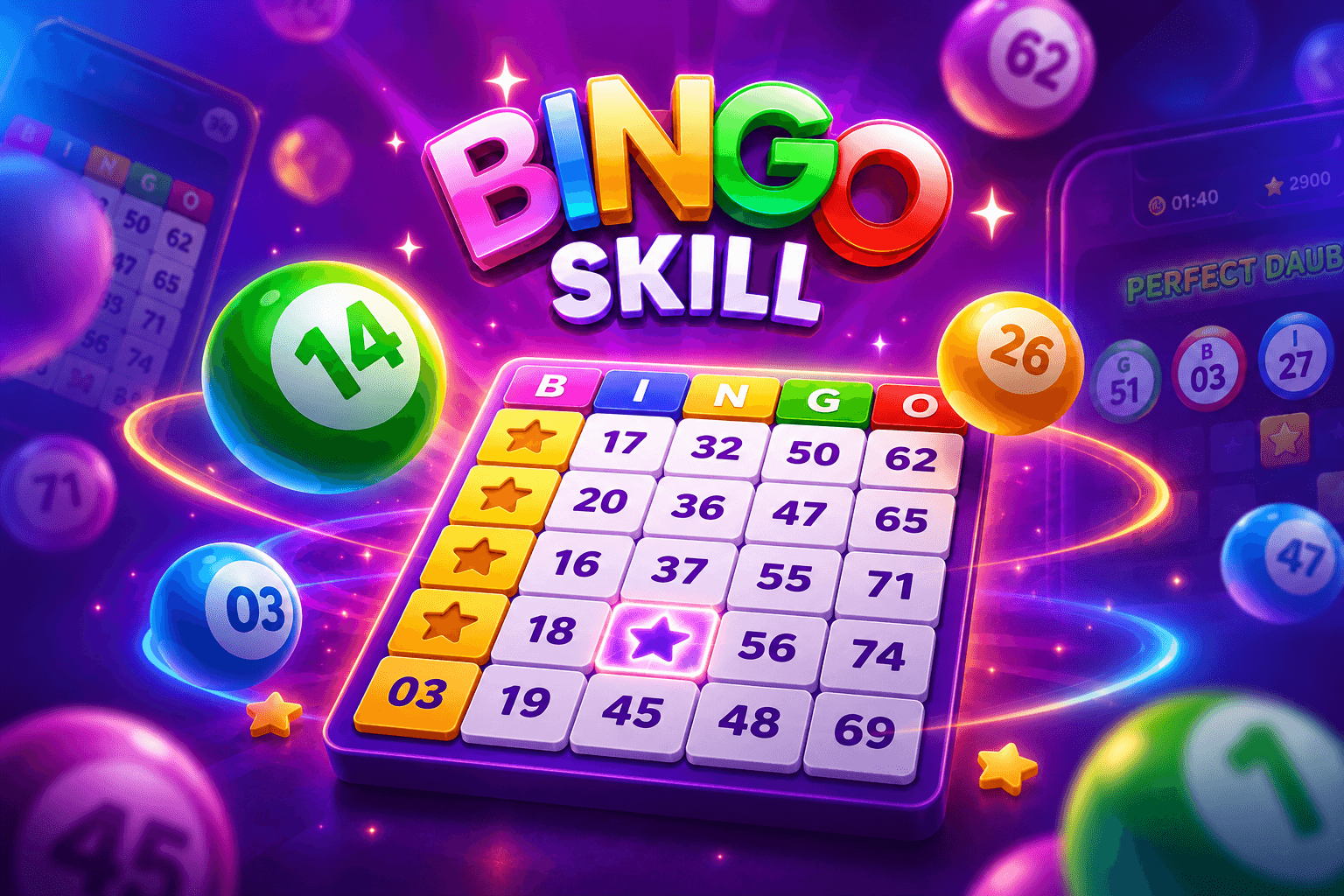
The "Hall of Fame" (HoF) feature restructure aimed to improve user motivation and trust by reimagining how players interact with leaderboard competition. The revamped feature acts as a personalized "Beat The Score" format: instead of standard PvP matchmaking, players are given customized score targets tailored to their individual skill level, rewarding them with nX multipliers upon completion.
My Role: Product Design Lead & Feature Owner
Led and managed a team of designers while maintaining end-to-end UX/UI ownership of the feature. Responsible for aligning the team's output with core product requirements.
Key Responsibilities as Design Lead:
- Team Leadership & Mentorship: Managed and guided a team of UX/UI designers, establishing clear design workflows, conducting design reviews, and ensuring high-quality, consistent execution across all screen states.
- Cross-Platform Architecture: Structured the end-to-end flows across React meta-screens (lobbies, onboarding) and live Unity gameplay.
- Feature Ownership & Cross-Team Alignment: Worked with Product Management, Data Science, and Engineering to turn personalized score targets and configurable settings into the feature's UI.
The Problem & Core Hypotheses
User Pain Points & Legacy Friction
- Mental Model Misalignment: Players did not understand the win conditions - specifically, that they must beat top scores to unlock tiered multipliers and rewards.
- Asynchronous Confusion: Players misinterpreted the asynchronous (async) format as a live multiplayer match, leading to friction and distrust over real-time ranking updates.
- Information Overload & Near-Miss Fatigue: Displaying unrewarded lower ranks diluted interface clarity and introduced a frustrating narrative rather than clear motivational milestones.
The UX Hypothesis
Replacing real player identifiers (names and avatars) with objective, personalized "Scores to Beat" will clarify competitive targets, eliminate bias, and build a cleaner, more trusted casual ecosystem.
Figma Workspace & System Flow
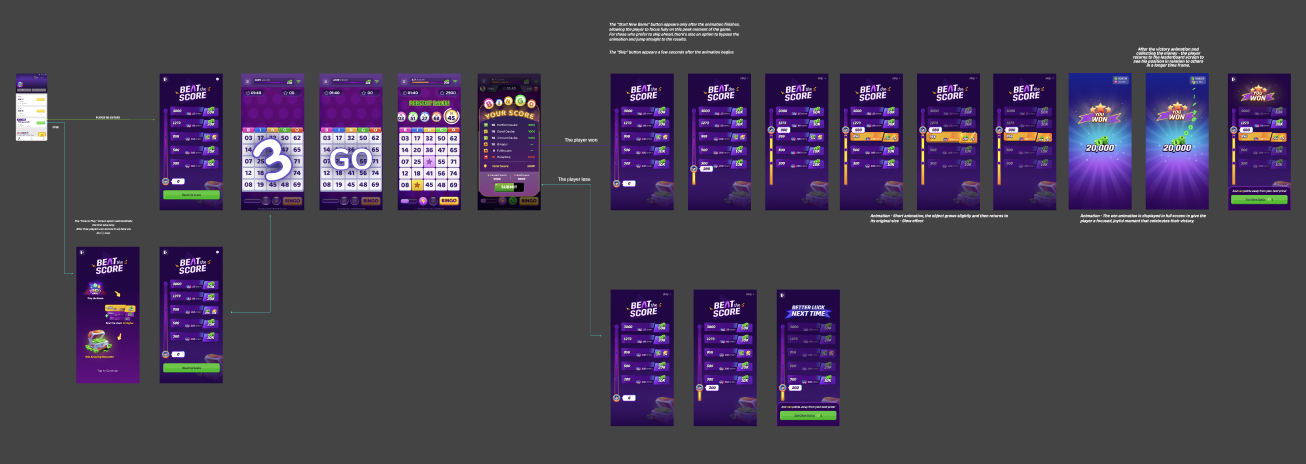
The Solutions & Screen Breakdown
1. Pre-Game Engagement & FTUE
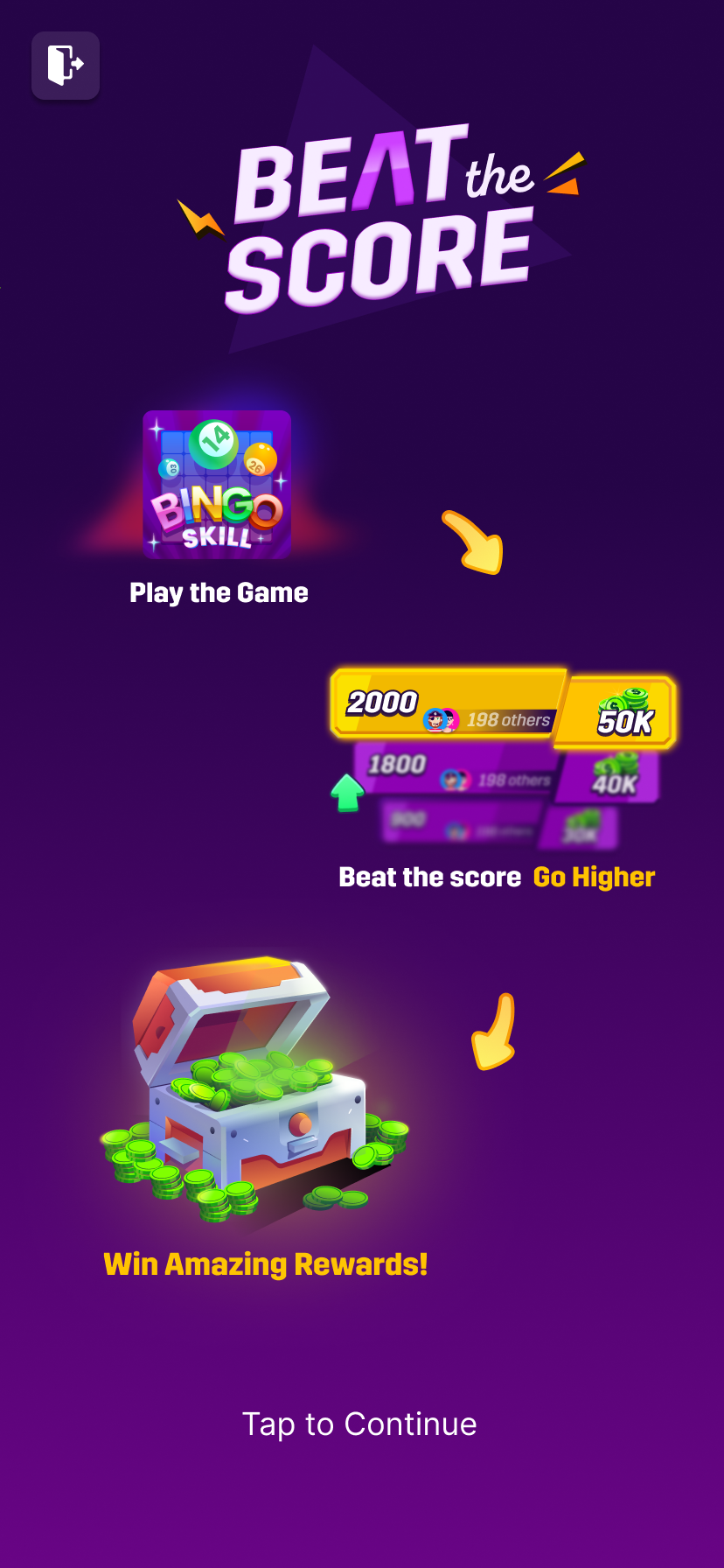
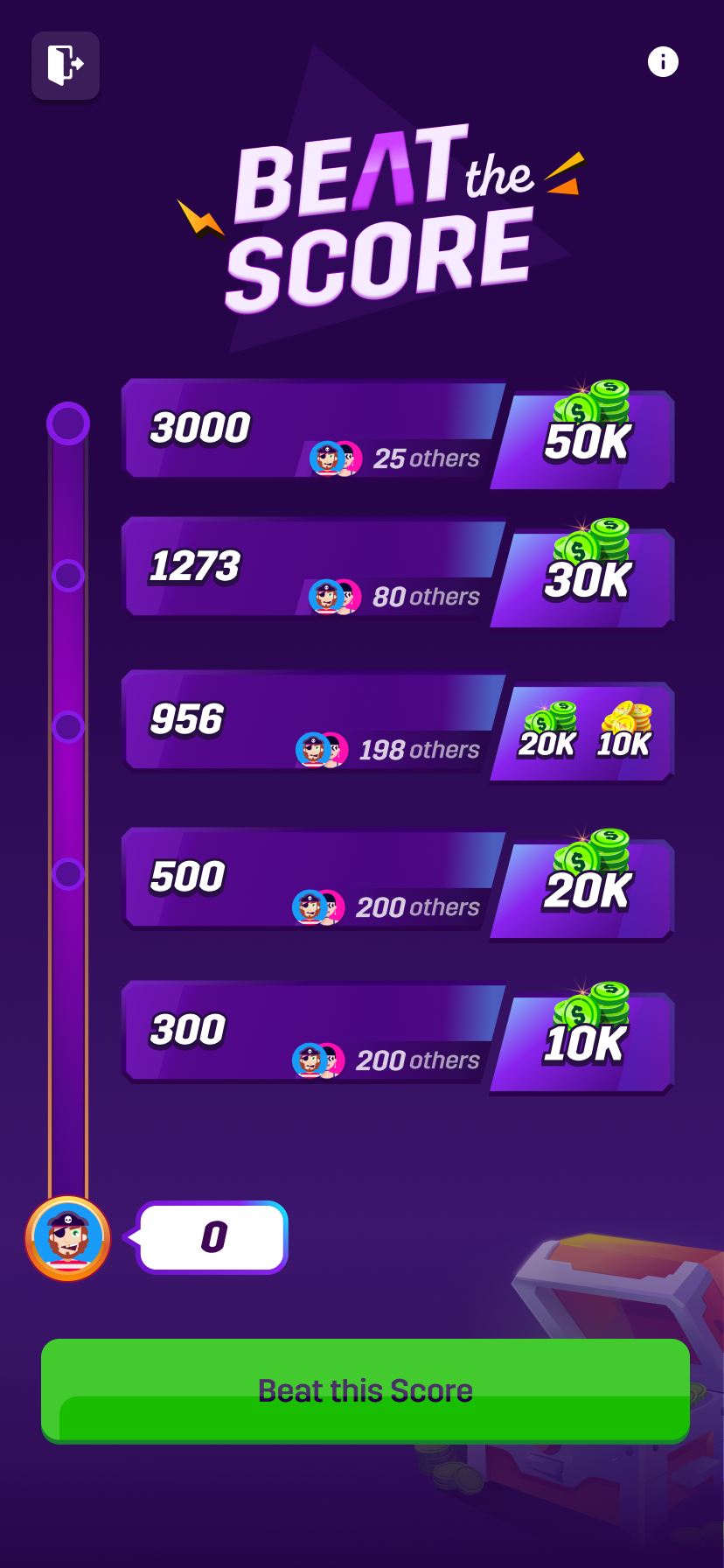
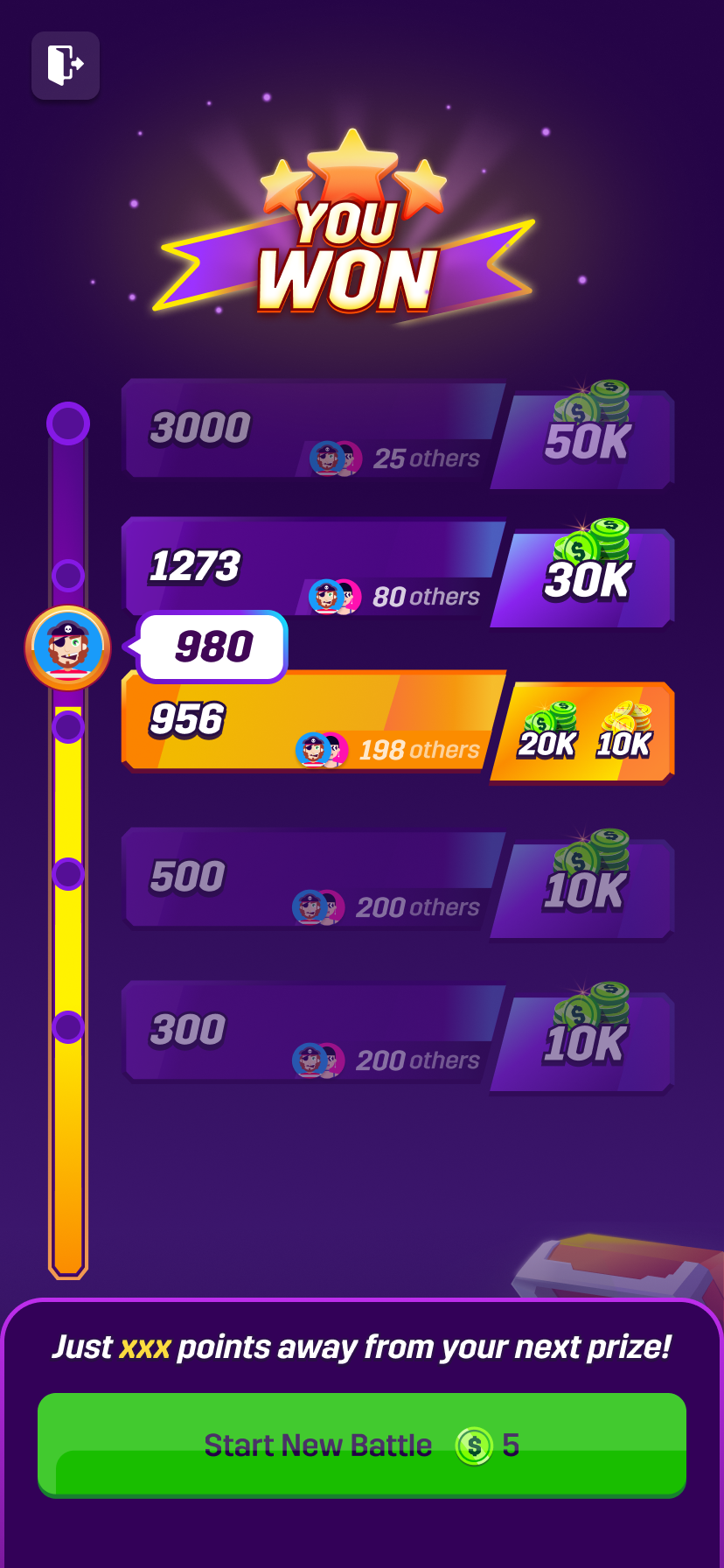
- React Score Listing Screen: Rebuilt the legacy matchmaking interface into a clean, intent-focused pre-game lobby. The UI completely drops masked user profiles, replacing them with explicit score tiers and data showing how many other players successfully cleared that specific tier.
- Personalized Aspirational Targets: The interface fills in score targets matched to each player's skill level.
- Quick Onboarding: A 2-tier FTUE with secondary card interactions in the lobby and a dismissible video tutorial that teaches the single-player format rules in under 3 seconds.
2. Unity Gameplay (The In-Game Tracker)
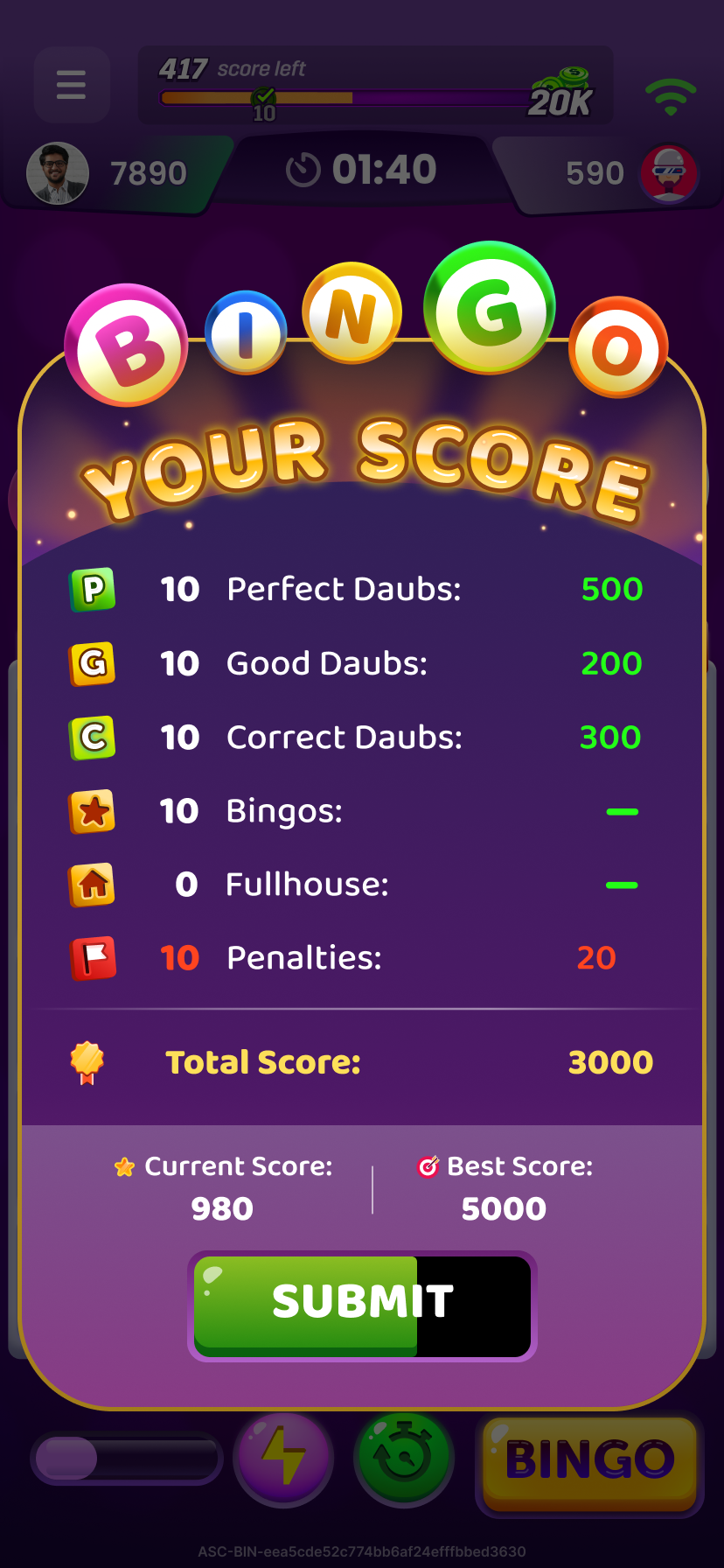
To maintain target visibility during fast-paced moments, dedicated screen real estate was carved out to house a progressive, game-agnostic score tracker:
- V1 Linear Racetrack Widget: Plots target scores linearly on a visual progress bar, using crown statuses to indicate top reward tiers.
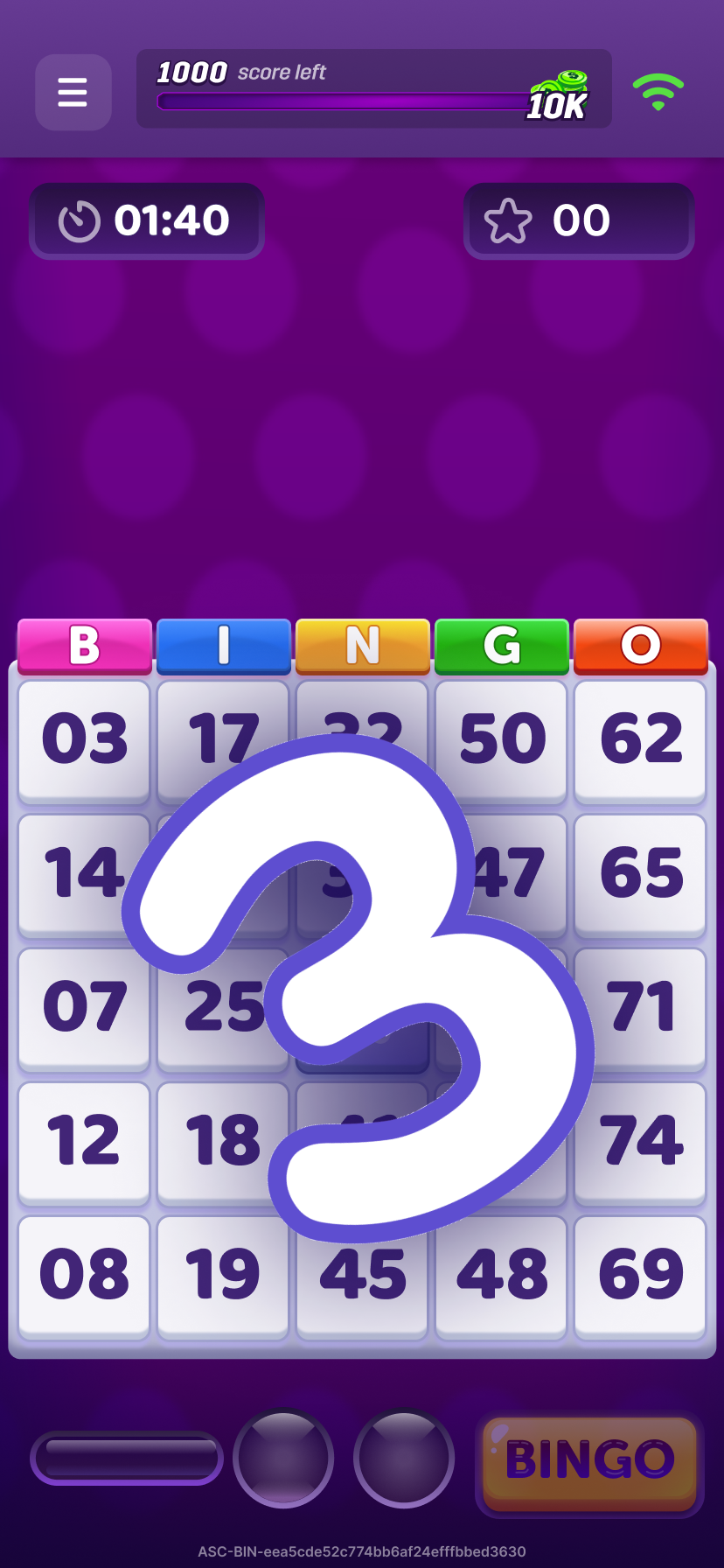
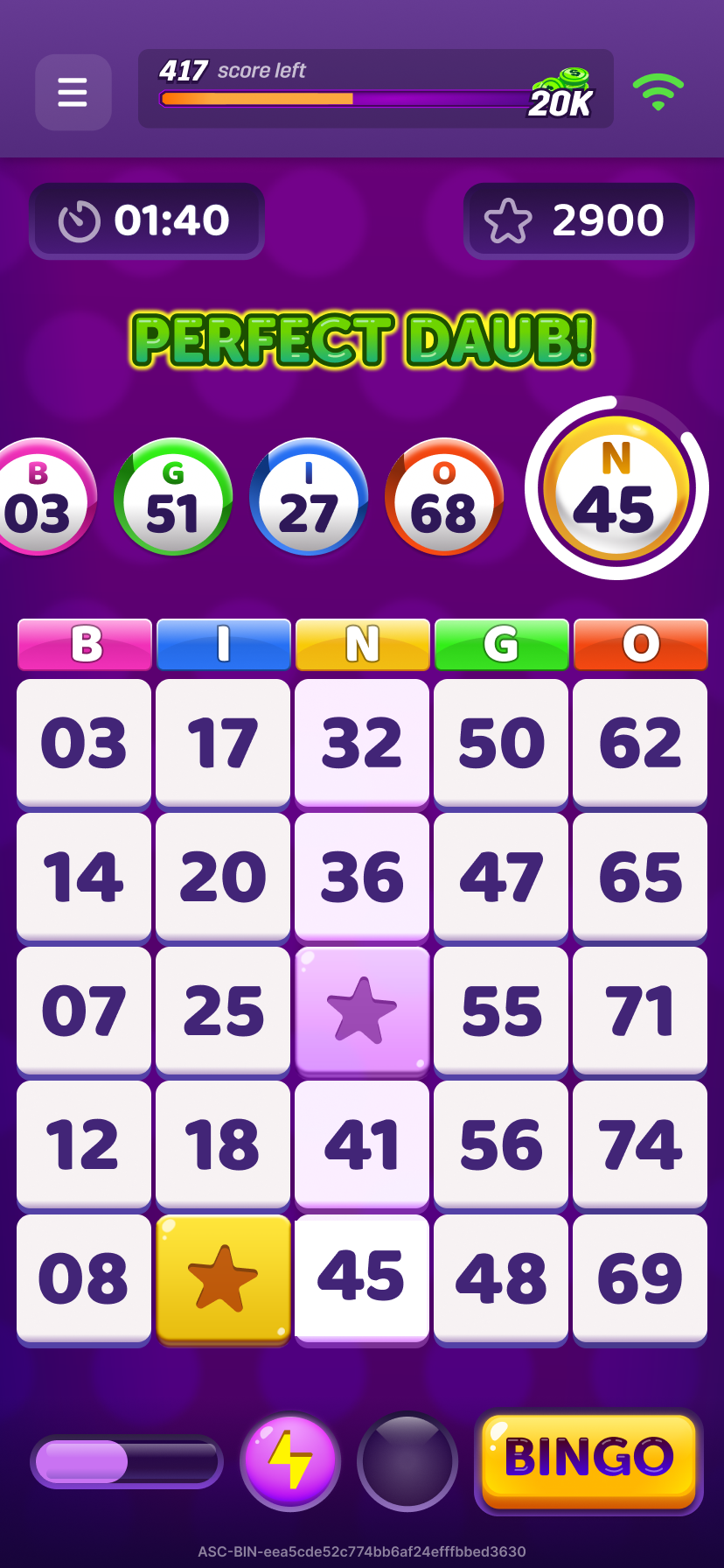
- V2 Dynamic Score Delta Widget: Shows the exact score left to reach the next milestone, and the monetary incentive attached to it.
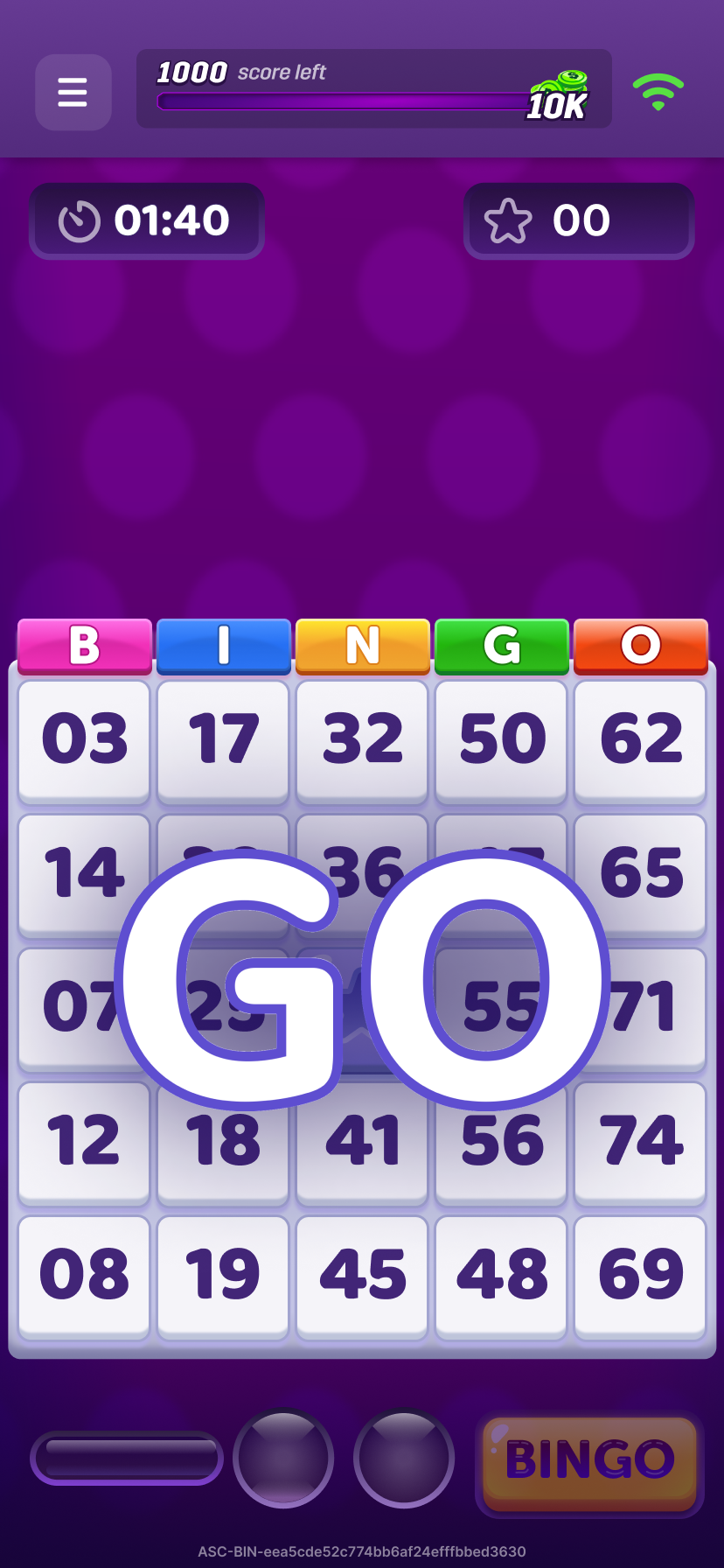
- State-Based UI Feedback: The widget dynamically transitions based on live performance, shifting from "no scores achieved" to dynamic milestone refreshes, and concluding with a full-screen celebration sequence once all scores are cleared.
Score-delta widget states

Score-delta widget, early state

Live in gameplay
Tracker widget in-game, mid-round
3. Visualized Success (Results Screen)
- A custom results screen replaces the usual PvP ending. It shows progress up the milestone ladder, the exact tier the user reached, and coin animations for wins.
Technical & Business Impact
What we planned to measure
To validate the redesign, the feature was launched with tracking configured around specific product and engineering KPIs:
- Primary Growth Metrics: Day 1, Day 3, and Day 7 User Retention; Lobby-to-Game conversion rates.
- Secondary Economy Metrics: Overall winrate distribution, gameplay reward multiplier adoption, and average rank standing.
- Tech Health: Optimized React-to-Unity screen handoffs, tracking asset/animation load times, and lowering ANR rates.
Ran Bingo win-rate experiments, including a 70% configuration with 5 winners; higher win-rate variants improved D1, D3 and D7 retention.
Design Tokens & Configuration
I designed the UI as a modular system. Its main parameters are set up as flexible design tokens, so the feature can be tuned and A/B tested without redesigning screens.
Outcome
Community test
In a before/after test with about 500 players from the MPL US Discord community, game entries rose 16%.